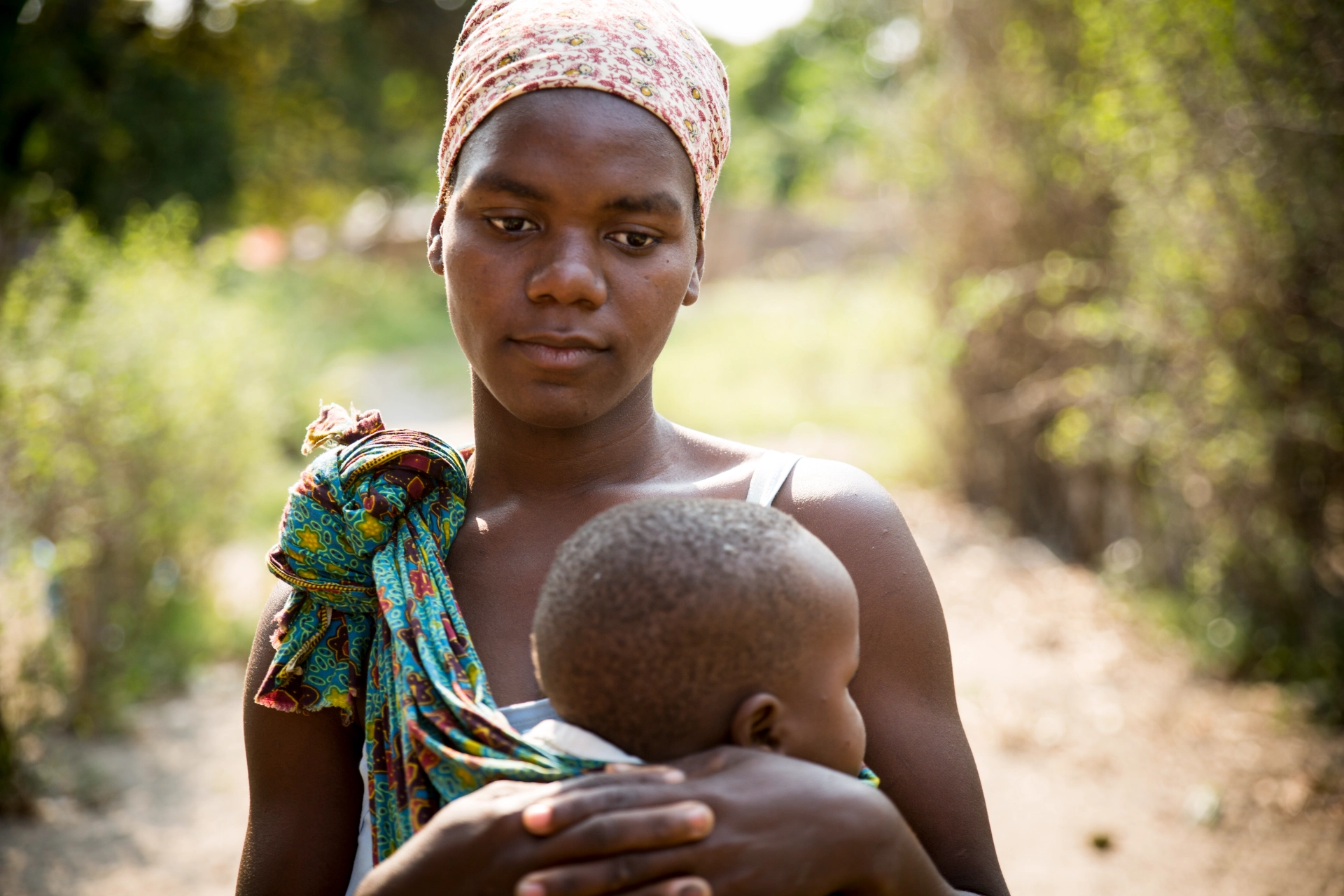
In October 2024, patients at Cala Health Center shared a troubling reality during a community listening session with Namati's health advocate. Without electricity in the delivery room, women were giving birth by candlelight or using the dim glow of cellphone flashlights.
Eight women described being sutured in complete darkness after delivery - a dangerous practice that led to complications with healing and extended recovery times. These conditions not only compromised medical care but also stripped women of dignity during one of life's most vulnerable moments.
nullnull“I went to Cala Health Center to await the birth of my baby. During my stay at the maternity waiting house, I was well treated and received a lot of attention from the nurses who were very kind. Around 9 pm I started to feel contractions. My mother-in-law was worried and went to get help, and the nurse on duty attended to me promptly. She examined me and confirmed that I was in labor. I was taken to the delivery room. There was no electricity that night, so my baby was delivered by the light of a cell phone. Despite these conditions, the nurse did the best she could and was able to successfully bring my baby into the world. But the worst was yet to come. After the birth, they needed to stich me up, but the light on the cell phone was very weak and made the nurse's work difficult. She ended up suturing in inappropriate places, and the pain I felt was indescribable. Days later, when I returned to have the stitches removed at the health unit, they told me that the wound had not healed properly. It was necessary to carry out a new procedure, and again I faced intense pain and a lot of suffering.”
null
**38-year-old maternity patient, resident in Cala**
The health advocate, village health committee, and patients' rights office brought this urgent safety concern to the maternity ward supervisor, who confirmed the issue had been reported to district authorities. However, the team didn't stop there—with support from the health center director, they met directly with the District Chief Medical Officer to advocate for immediate action.
Their persistence made a difference. The district dispatched a technical team to restore electricity in the maternity ward. They also introduced quarterly maintenance checks to prevent future outages.
Today, thanks to ongoing follow-up by the health advocate, women are giving birth under reliable lighting - ensuring safer procedures and more dignified care. What was once a dangerous situation has become a lasting, community-driven solution that protects the lives of mothers and newborns.
“For two months, we faced extremely difficult times with the breakdown of the electrical system in our health center. This problem seriously compromised the quality of care for pregnant women in our maternity ward. Performing sutures, inserting IVs and even conducting the delicate birth process was done under precarious conditions, often under the light of a cell phone flashlight. This improvisation not only limited our ability to provide adequate care but also increased the risk of infections for patients and for us nurses. However, thanks to the persistent advocacy of the health advocate and the health committee, the situation began to change. With the support of these tireless allies, it was possible to guarantee the repair of the health unit's electrical system. Today, we feel enormous gratitude and relief knowing that we can carry out our work more safely and provide humanized care to our patients.”
Cristina Soto, Maternal and Child Health Nurse, Cala
Your support helps communities speak up, fix broken systems, and protect patients’ rights to safe, respectful healthcare.
Key Insights