
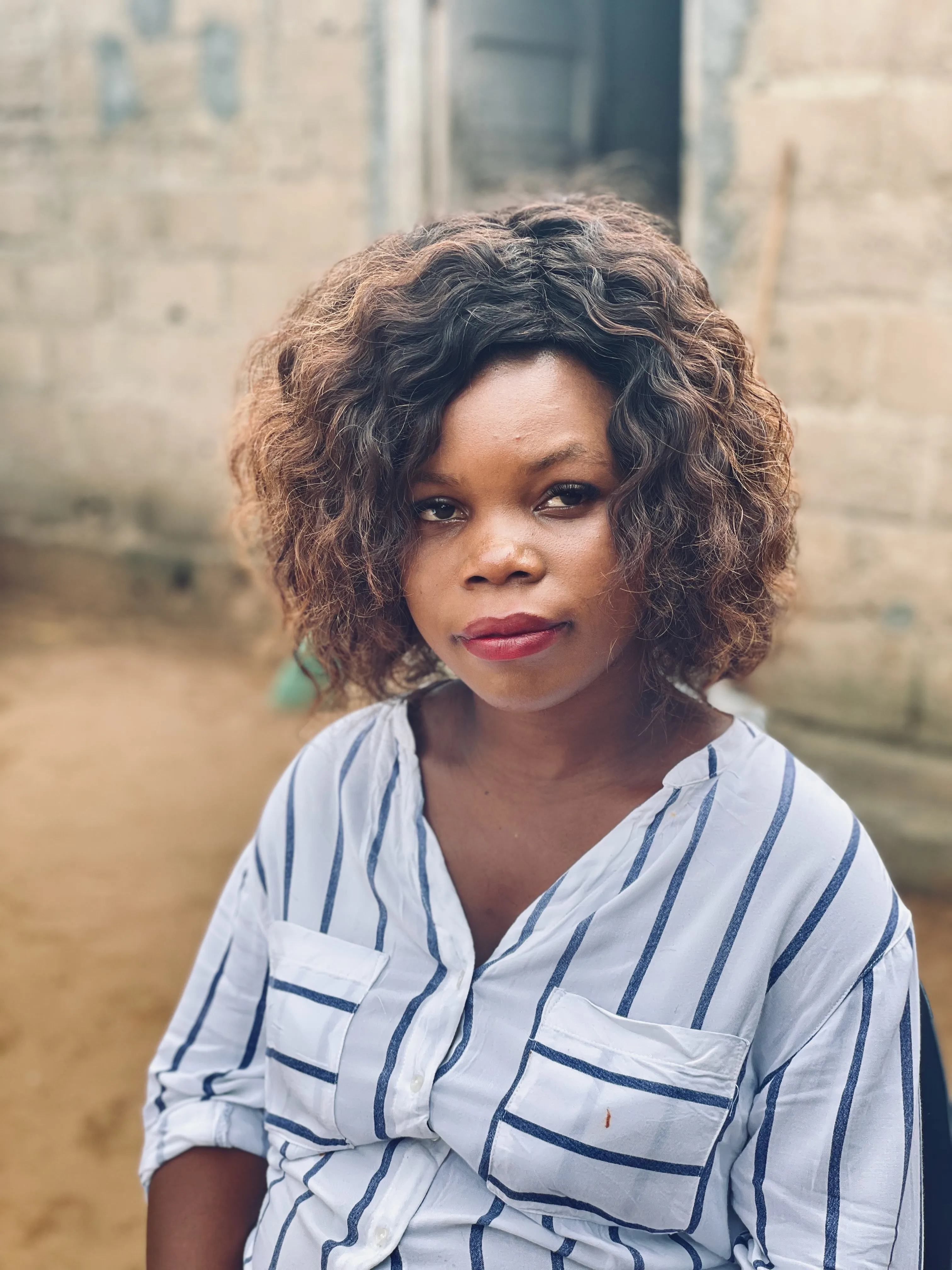
"I was nine months pregnant. When I got to the hospital, the nurse told me I had to pay 1,000 meticais. I didn't have the money, so she left me alone in the birthing room. When she finally came, my baby had already died."
Barriers to care resolved
People seeking justice
(71% women)
Health workers trained
New health advocates
trained and mentored
People with access to improved services
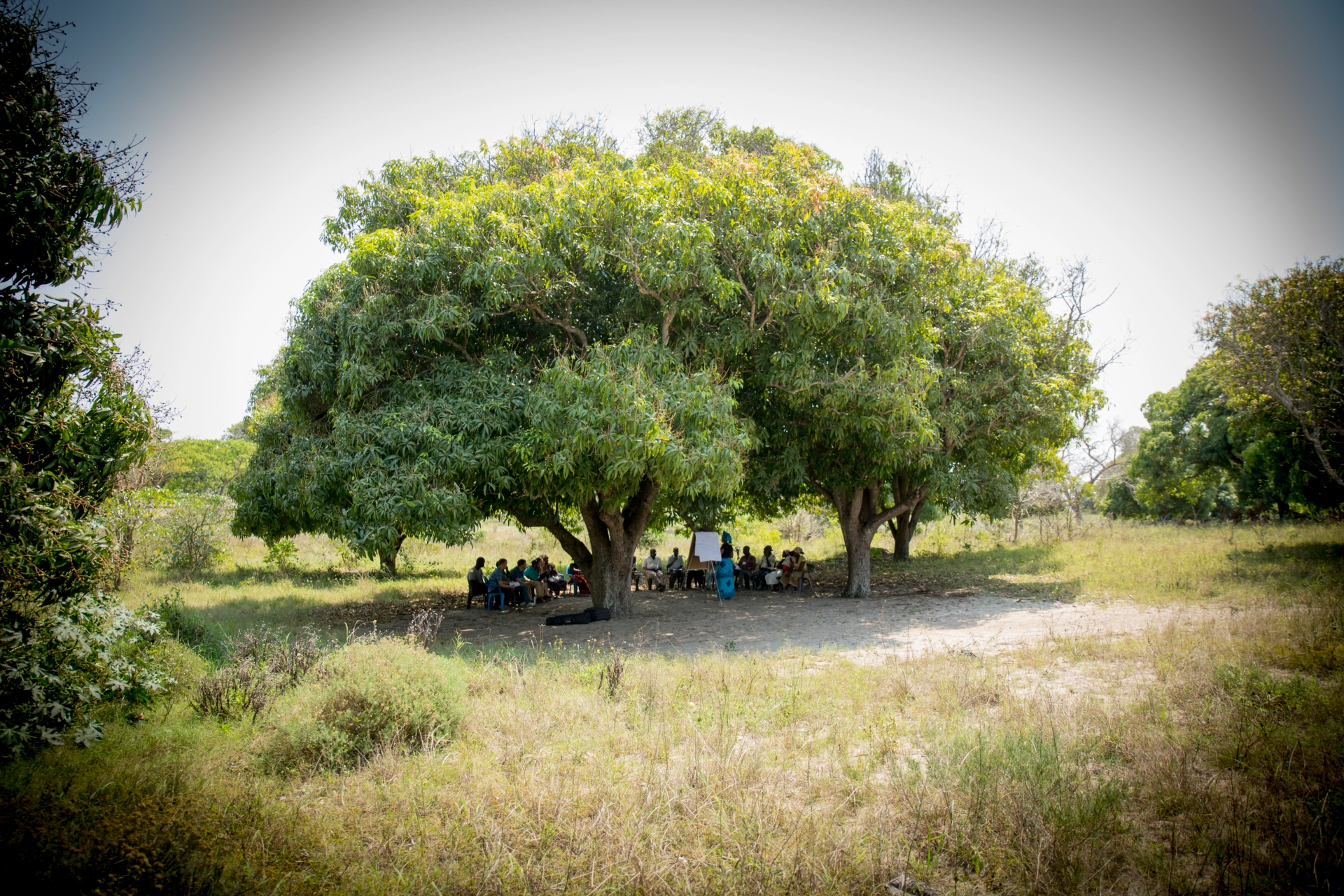
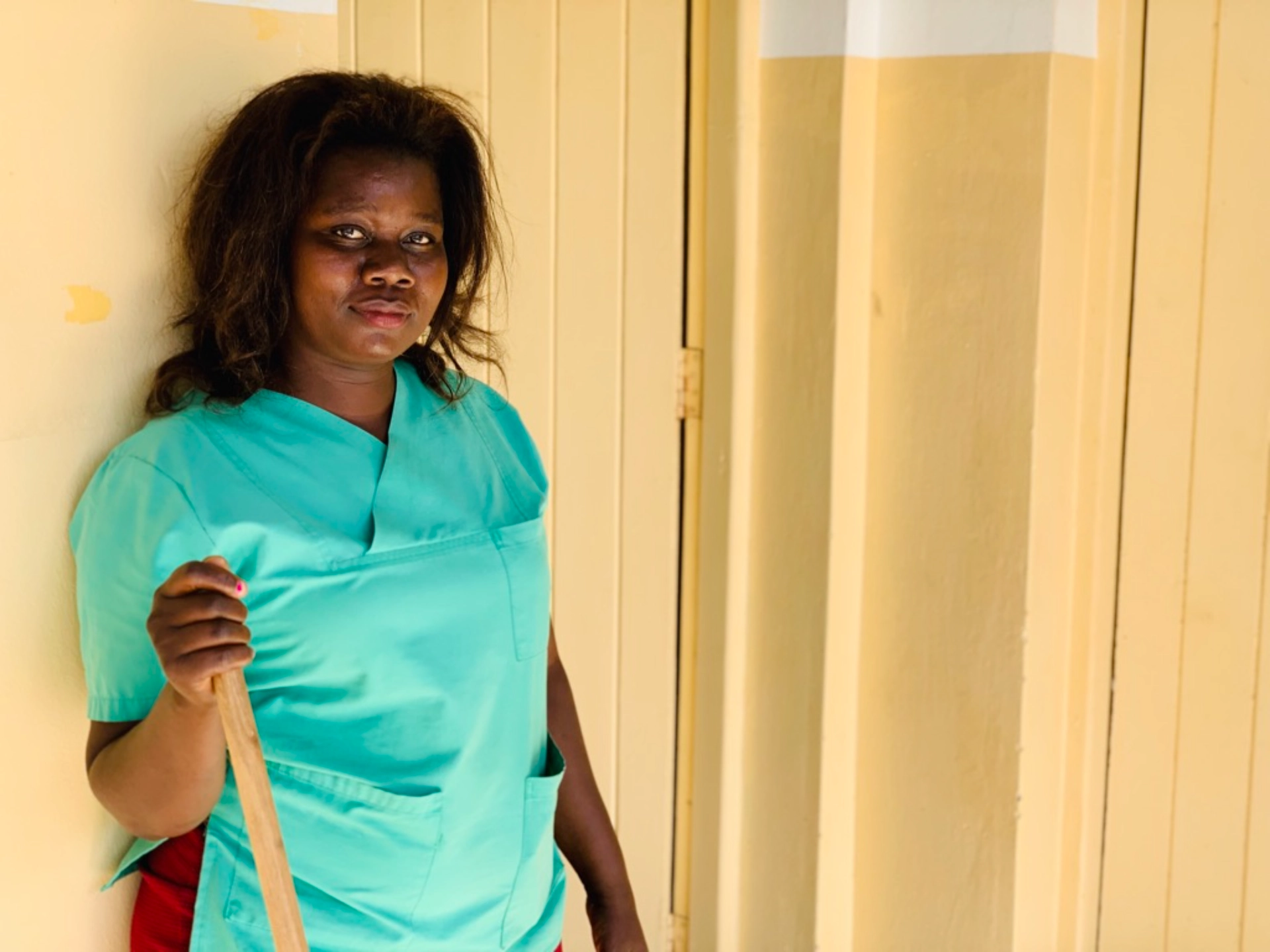
“Our nurse, Léonor, has really changed. The way in which she talks to patients is different. She used to berate everyone, but now she treats people well. Since the health advocate’s arrival, we’ve become capable of applying pressure, and things are improving. In the past, the maternity waiting house was always empty, but now there are pregnant women who come.”
"I was nine months pregnant. When I got to the hospital, the nurse told me I had to pay 1,000 meticais. I didn't have the money, so she left me alone in the birthing room. When she finally came, my baby had already died."
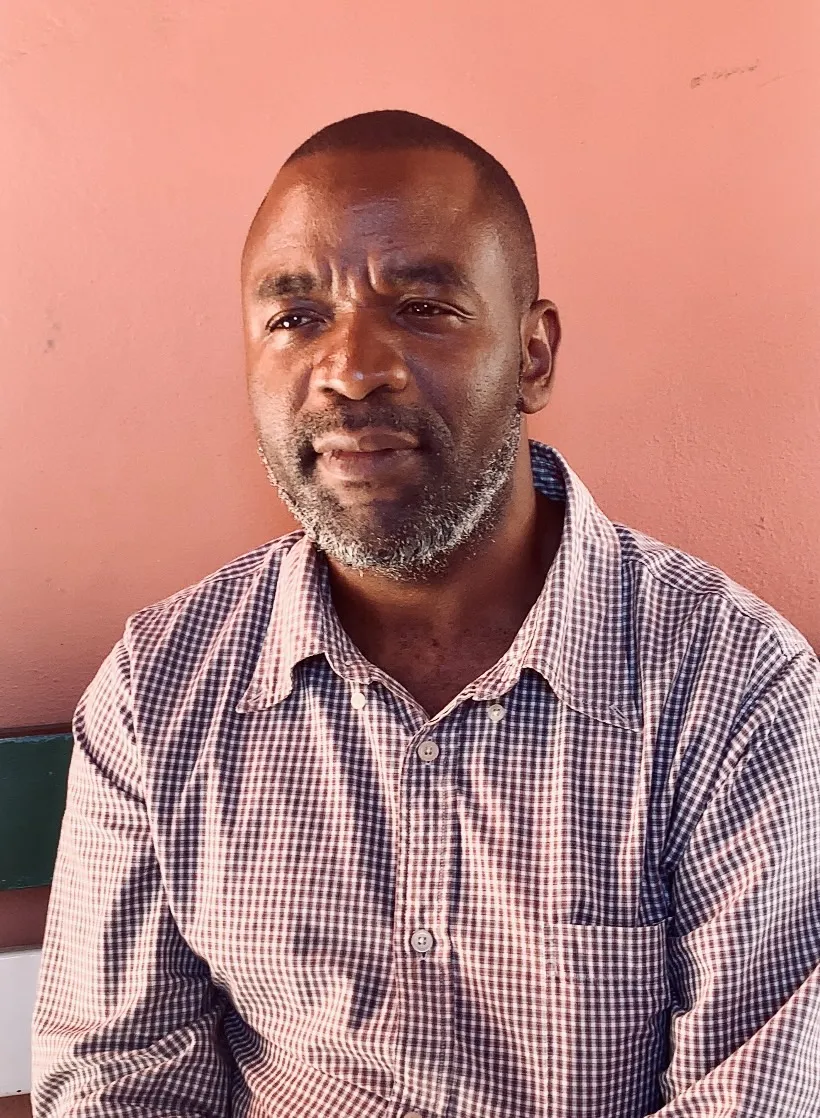
“Our hospital used to be infamous for bribery and illegal fees. In the past health workers didn’t really regard patients as individuals with rights. They acted as though they were doing patients a favor. But we’ve seen a huge change. Health workers now know that bribery isn’t accepted here.”
26% increase in institutional births at Namati-supported health facilities in the two years after we expanded to Inhambane Province — more than double the 12% rate at other facilities.
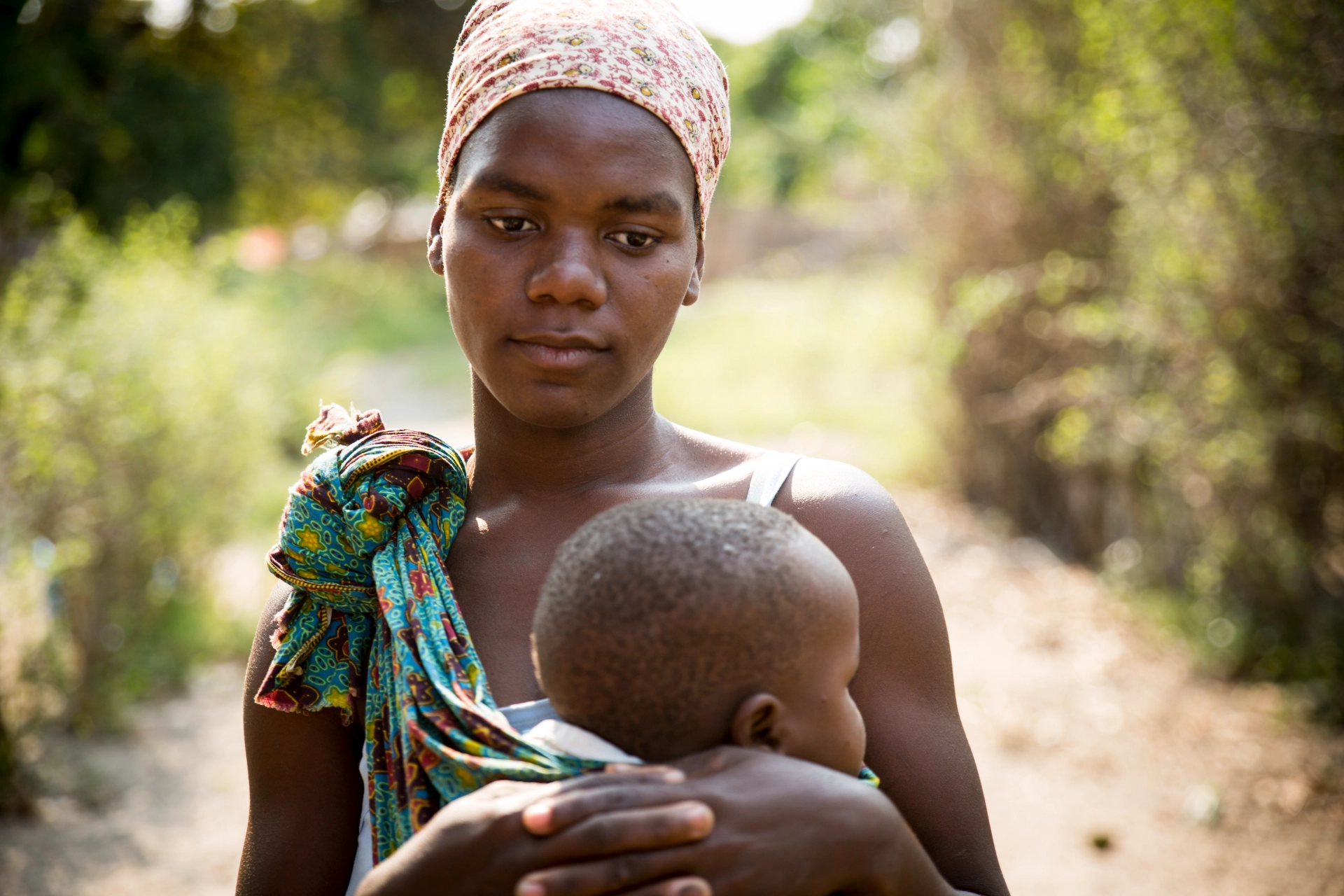
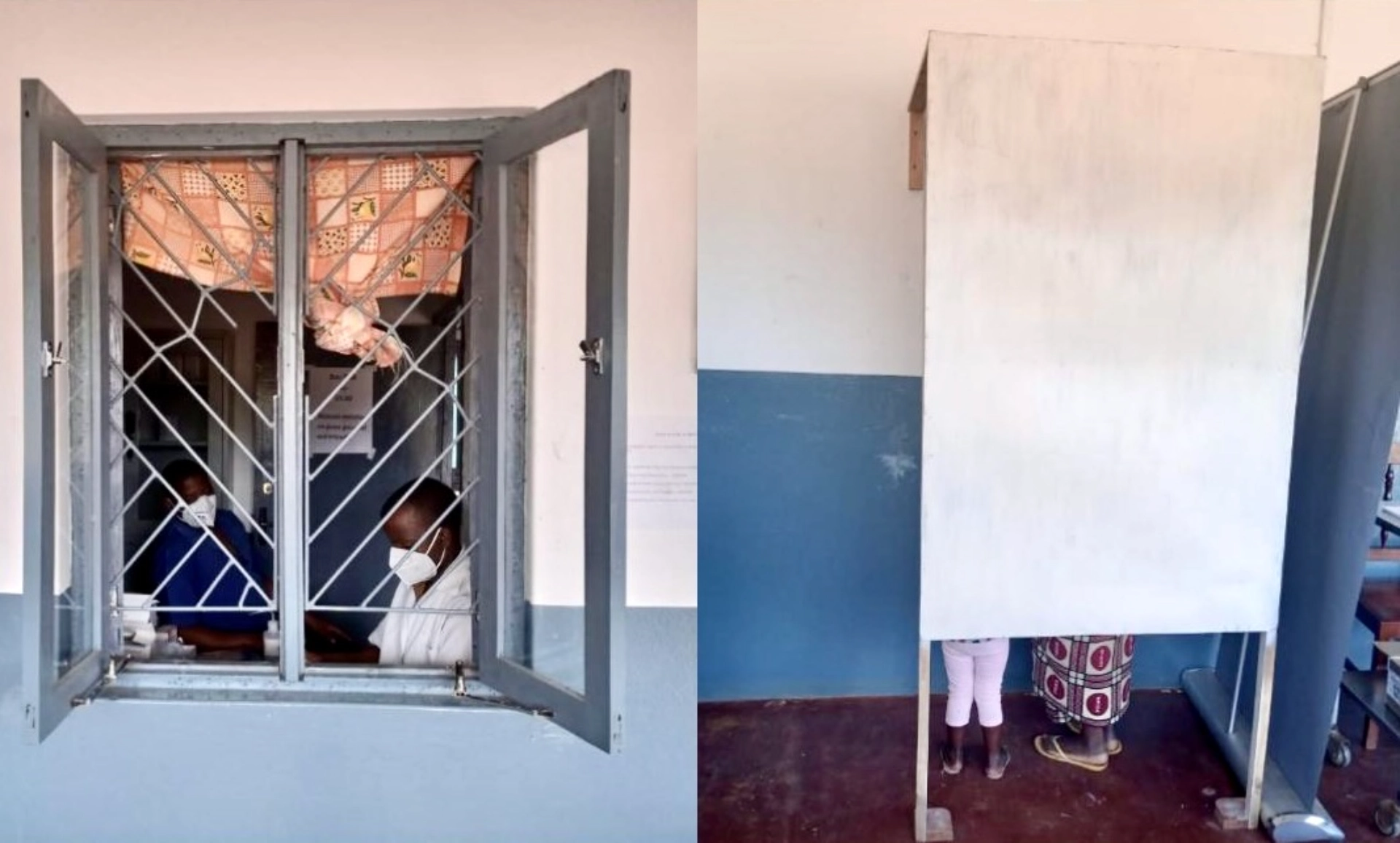
Together with Inhambane Province's health leadership, Namati launched a humanization initiative across 144 facilities — with tangible results in just 18 months:
Breaches of privacy, disrespectful treatment, staff absenteeism, lack of information, shortage of medicines and supplies — these are the barriers that push HIV patients out of care. Our health advocates work alongside health workers and communities to address each one, resolving 84% of the cases they take on.
.webp)
We track every case we take on and every dialogue we facilitate — measuring not just what we do, but whether it works, and using that evidence to continuously refine our approach.
Health advocates document cases and community dialogues in real-time digital forms. This data flows into dashboards that reveal patterns, surface best practices, and give government and civil society concrete insight into how health policy plays out on the ground.
We also gather regular feedback directly from patients, communities, and health workers. Their experiences are our most honest measure of progress.
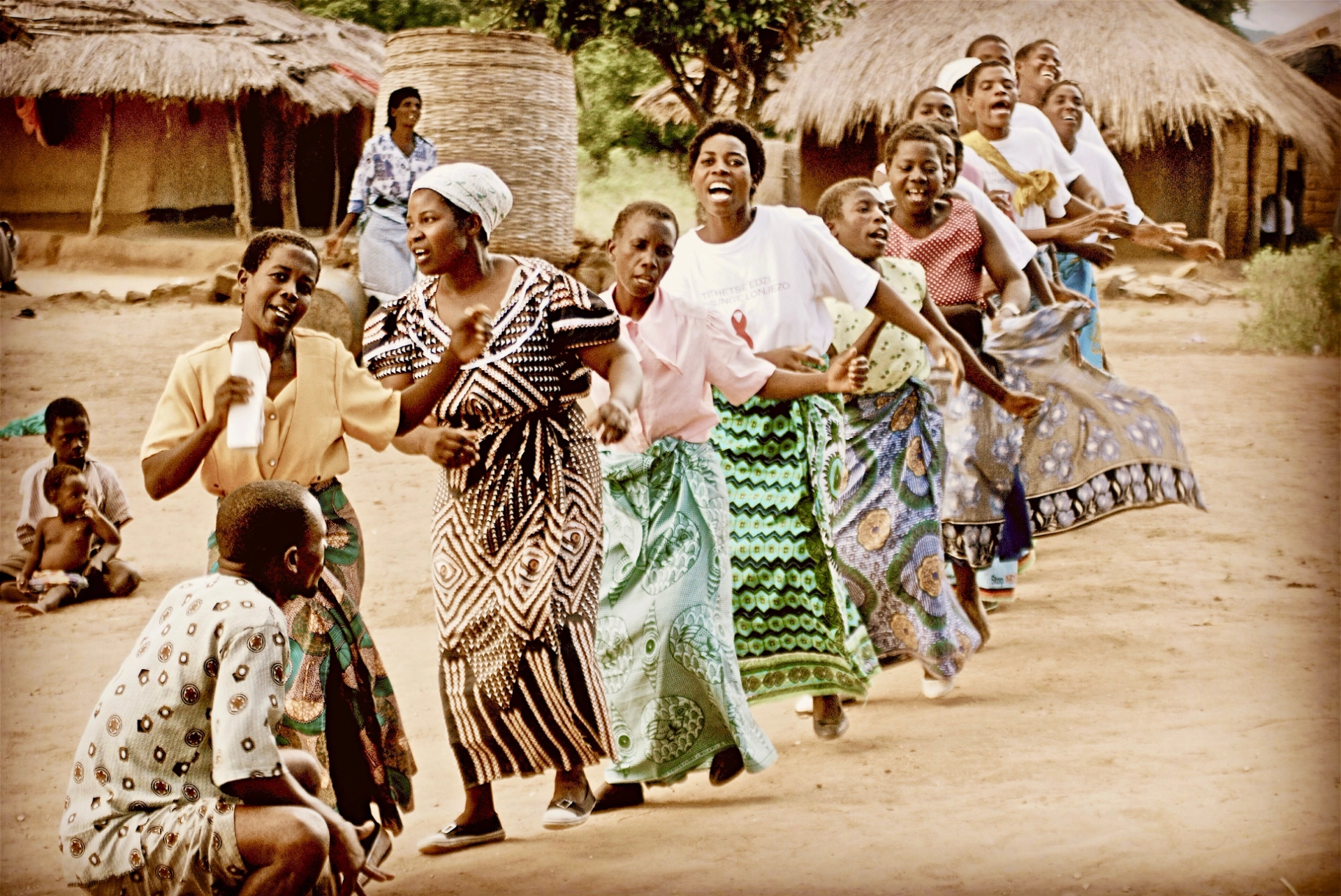
Access to Namati’s health advocates has changed the lives of countless people in Mozambique.
Hear their stories.
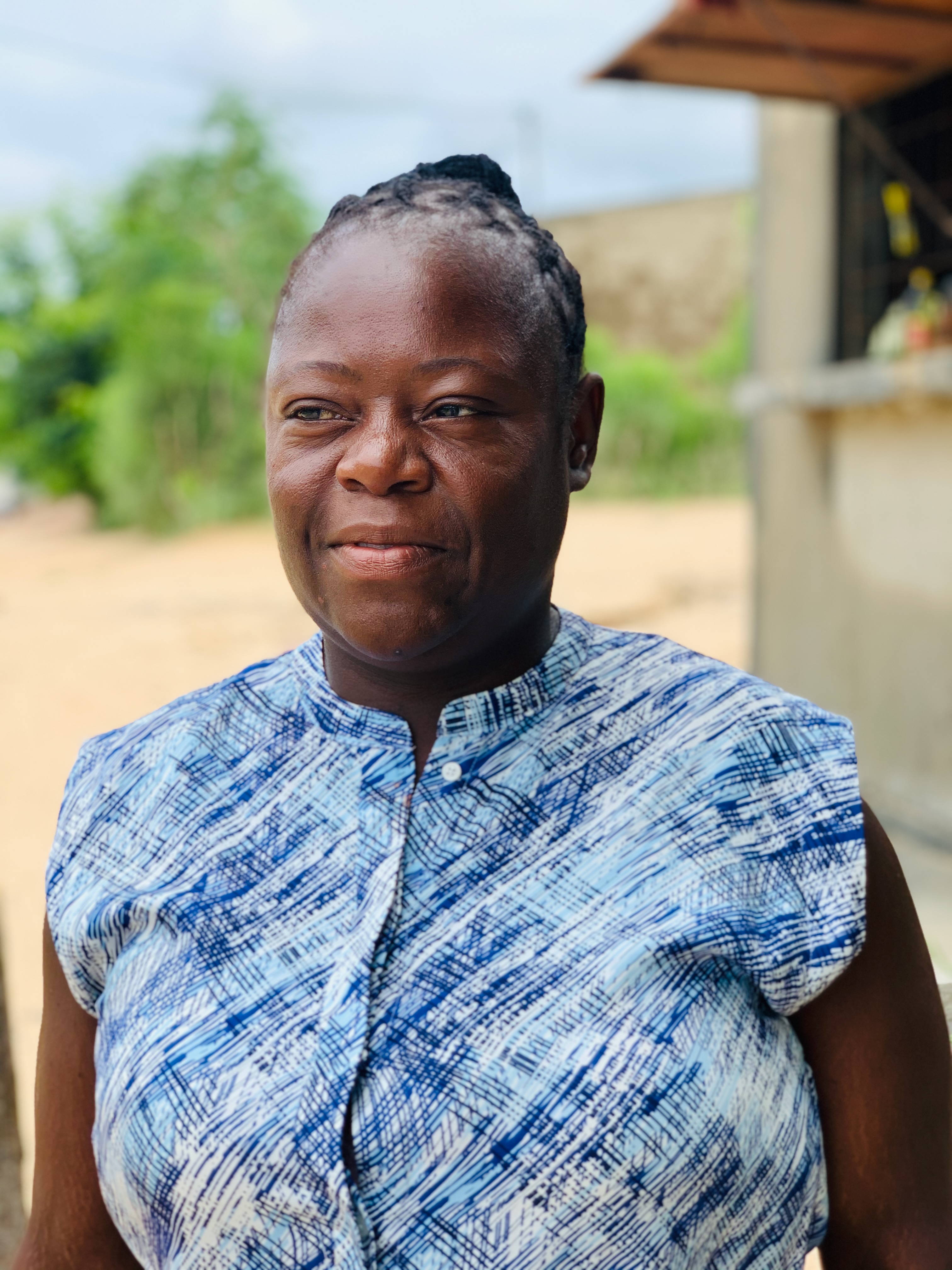
Too often, patients have to choose between their health and their privacy.
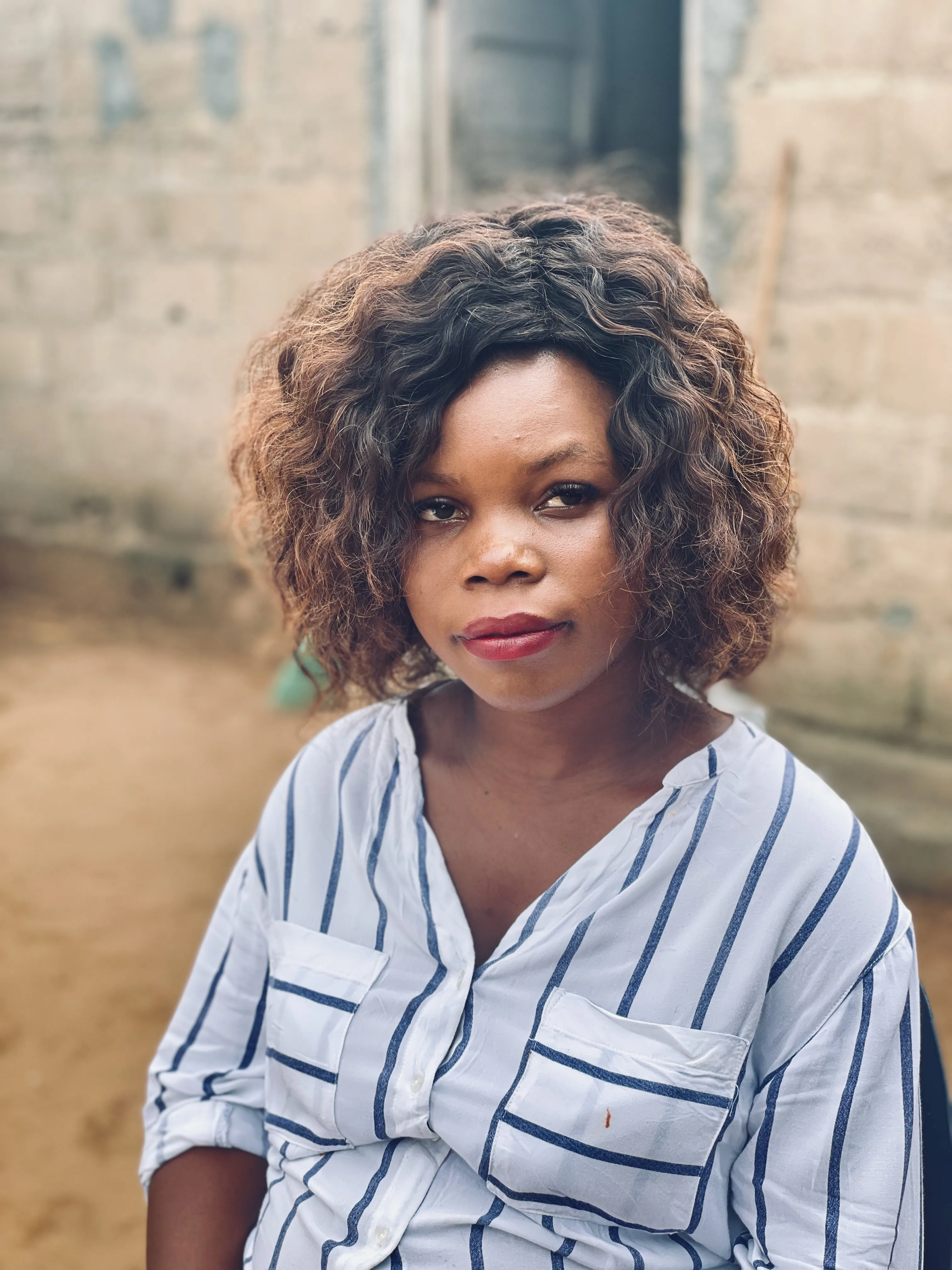
Maternity patients are particularly vulnerable to bribery, abuse, and illegal fees.
.webp)
Privacy and dignity are lifesaving for people living with HIV.