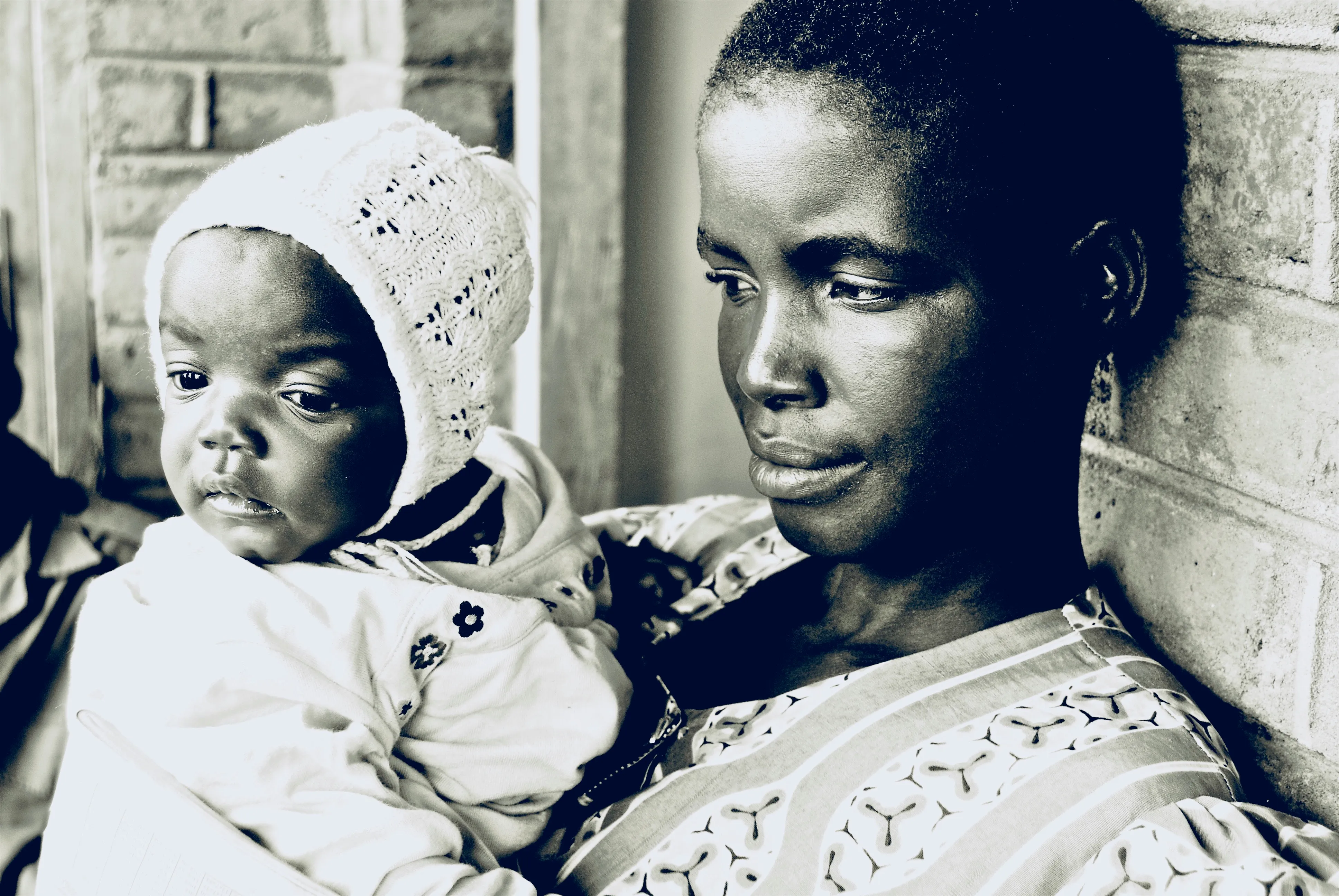
Alcina has lived her entire life in an isolated coastal village in Mozambique’s southern region, without access to electricity, running water, or transport. She gave birth to her three children at the local health center – a 17km trek from her home.
Within moments of each delivery, she was forced to get out of bed and fetch water from the borehole to wash the soiled sheets. “When my daughter was born last year, the nurse and the cleaner didn’t treat me with courtesy,” recalls Alcina. “I was treated very badly. I was insulted, and when I complained that I was in pain, the cleaner told me to lie back down, and then she slapped me on the face.”
Alcina’s experience wasn’t unique. "Many women didn’t want to go to the health center. They preferred to give birth at home.” The first two times she gave birth, she and other mothers felt powerless—unsure of what to do when things went wrong.
But things began to change after Alcina’s third birth. By that time, Namati’s health advocate, Carlota, had been working with the community for nearly a year. The village health committee, which had previously existed only on paper, was now an active group of five women and four men. Under Carlota’s guidance, the committee had earned the trust of both the community and local health providers, engaging in advocacy efforts at both the local and district levels.
Alcina approached Carlota and several committee members and told them about her experience. They went to speak with Leonor, the cleaner in question. She denied having slapped and mistreated her patient. Several weeks later, the committee invited Leonor, the head nurse, and a community leader to a meeting to discuss the incident and the potential impact of such behavior on maternal and newborn health. It was then that Leonor finally acknowledged her wrongdoing.
Over the following months, Carlota and the health committee kept a close watch on Leonor's behavior. The change was profound. An elder from the community shared, "Leonor has really changed. The way she talks to patients is different. She used to berate everyone, but now she treats people well. Since Hortência arrived, we've learned how to stand up for our rights, and things are improving."
The impact of this shift was evident. The head nurse reported that births at the facility had surged—from just 2 births per month to 12-15 - slightly above the national average for rural areas of its size. The maternity waiting house, once empty, now regularly welcomes expectant mothers.
Your support helps communities speak up, fix broken systems, and protect patients’ rights to safe, respectful healthcare.
Key Insights